









HOA Gutter Cleaning Frequently Asked Questions
Most HOA communities in Lafayette and West Lafayette benefit from gutter cleaning at least twice a year. A primary service is typically scheduled after heavy leaf drop in fall, and a second service helps clear debris buildup from spring and summer storms. This timing helps reduce the risk of overflow during peak rainfall periods.
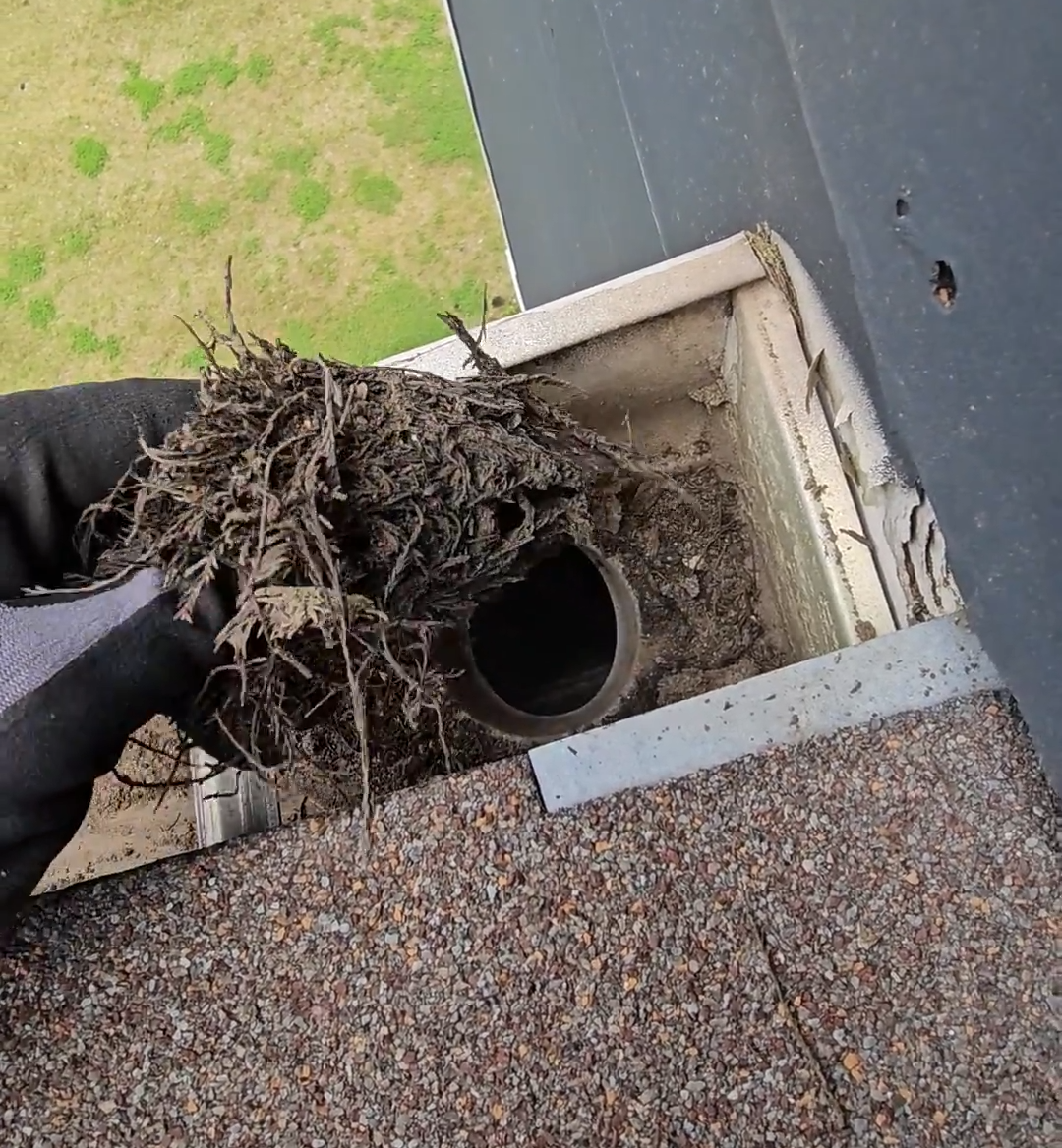
Yes. Seasonal rain, snow, and temperature changes can cause debris to collect and block drainage systems in HOA communities. When gutters are clogged, water can overflow and affect multiple buildings across shared structures. Regular cleaning helps HOA boards reduce preventable maintenance issues caused by weather exposure.
Responsibility depends on the HOA’s CC&Rs. In most community associations, the HOA board or property management company is responsible for maintaining gutters on common area buildings and shared rooflines. Some HOAs also enforce gutter maintenance standards for individually owned units. Either way, Ken’s Gutters can service the entire community under a single agreement.
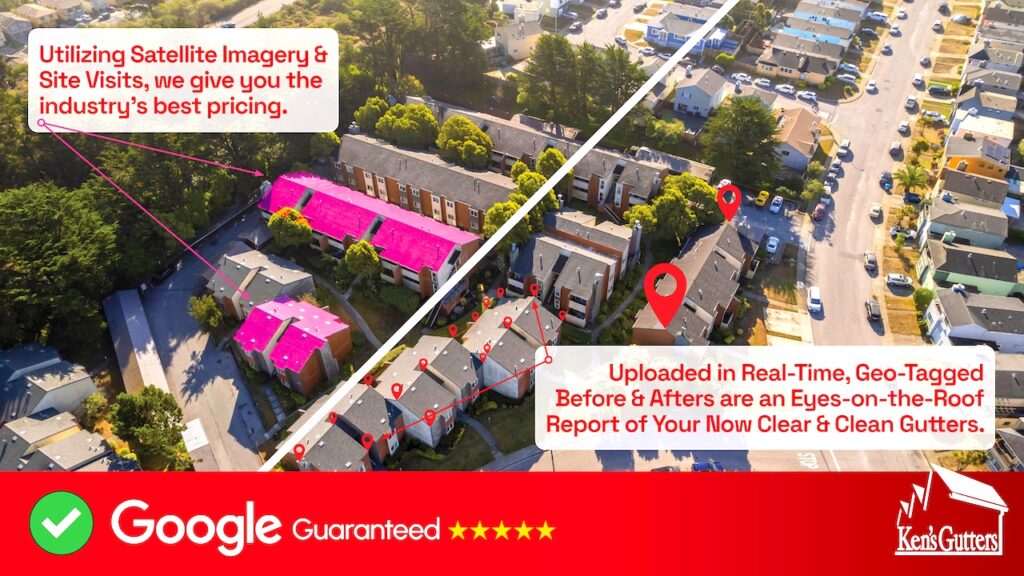
HOA gutter cleaning pricing is based on the total linear footage of gutter across the community, the number of buildings, roofline height and complexity, and accessibility. Every HOA community is different, which is why we quote each property individually using satellite imaging for accuracy. Our minimum for HOA gutter cleaning services is $1,800. Contact us for a no-obligation quote specific to your community.
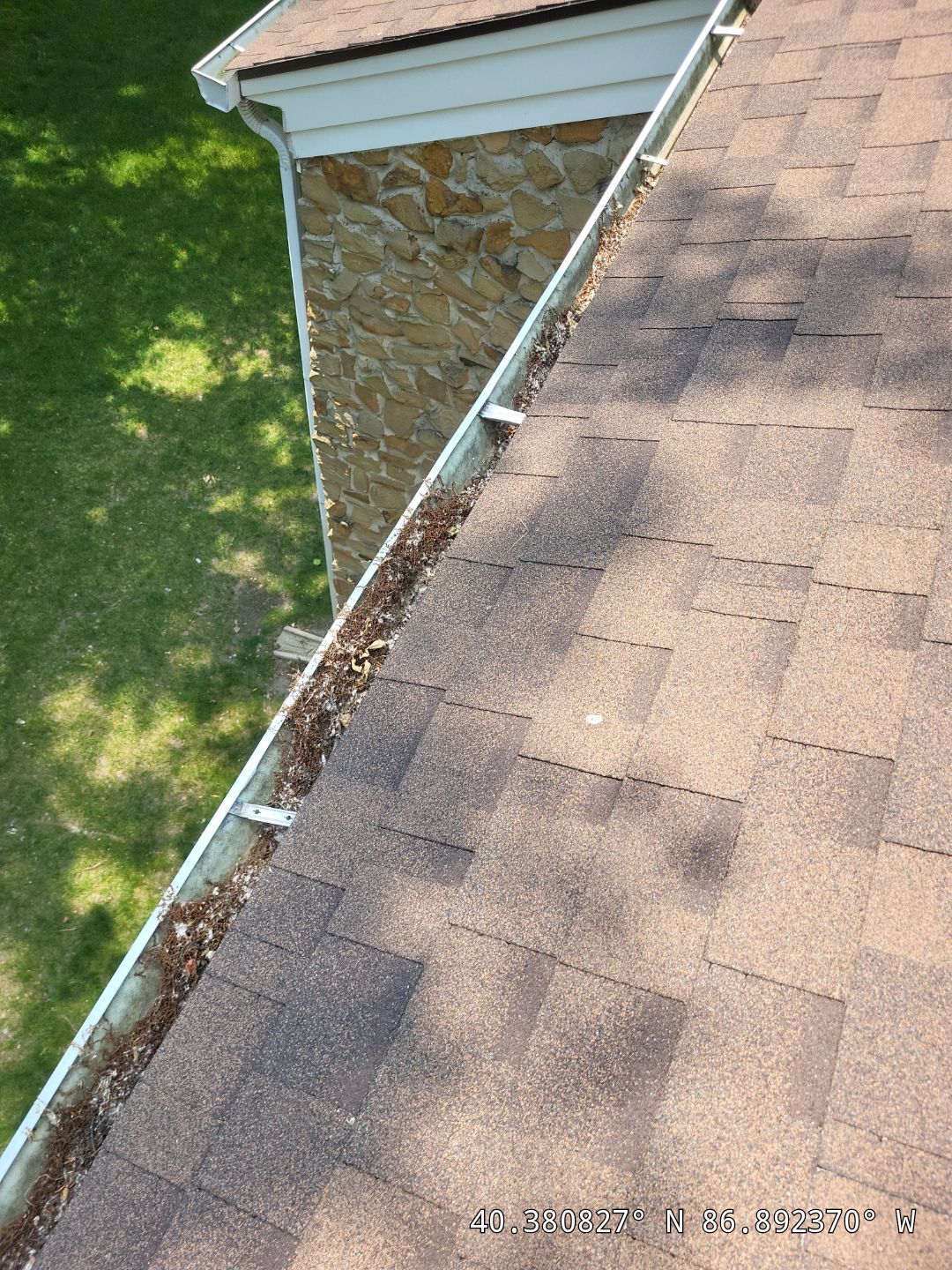
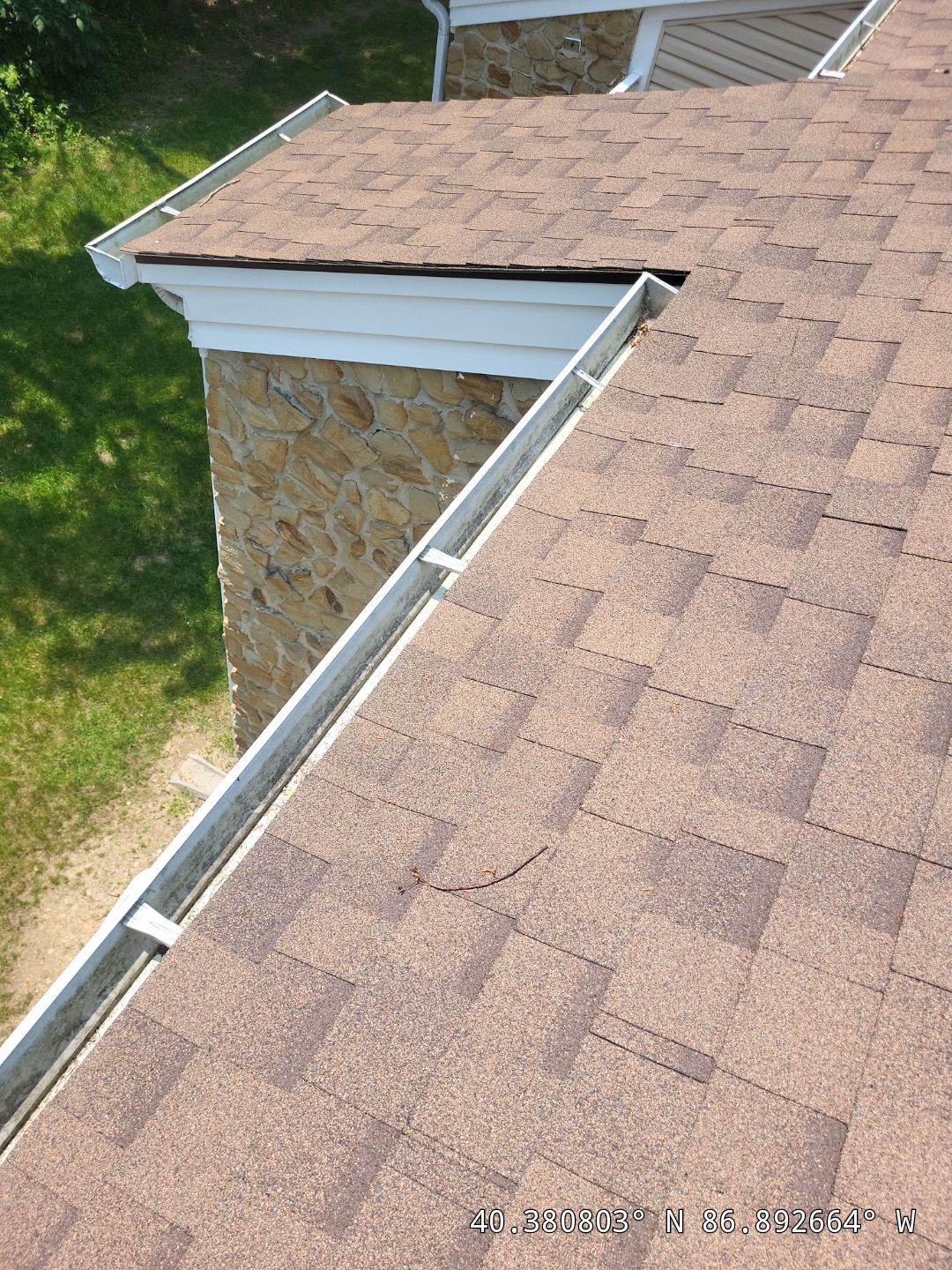
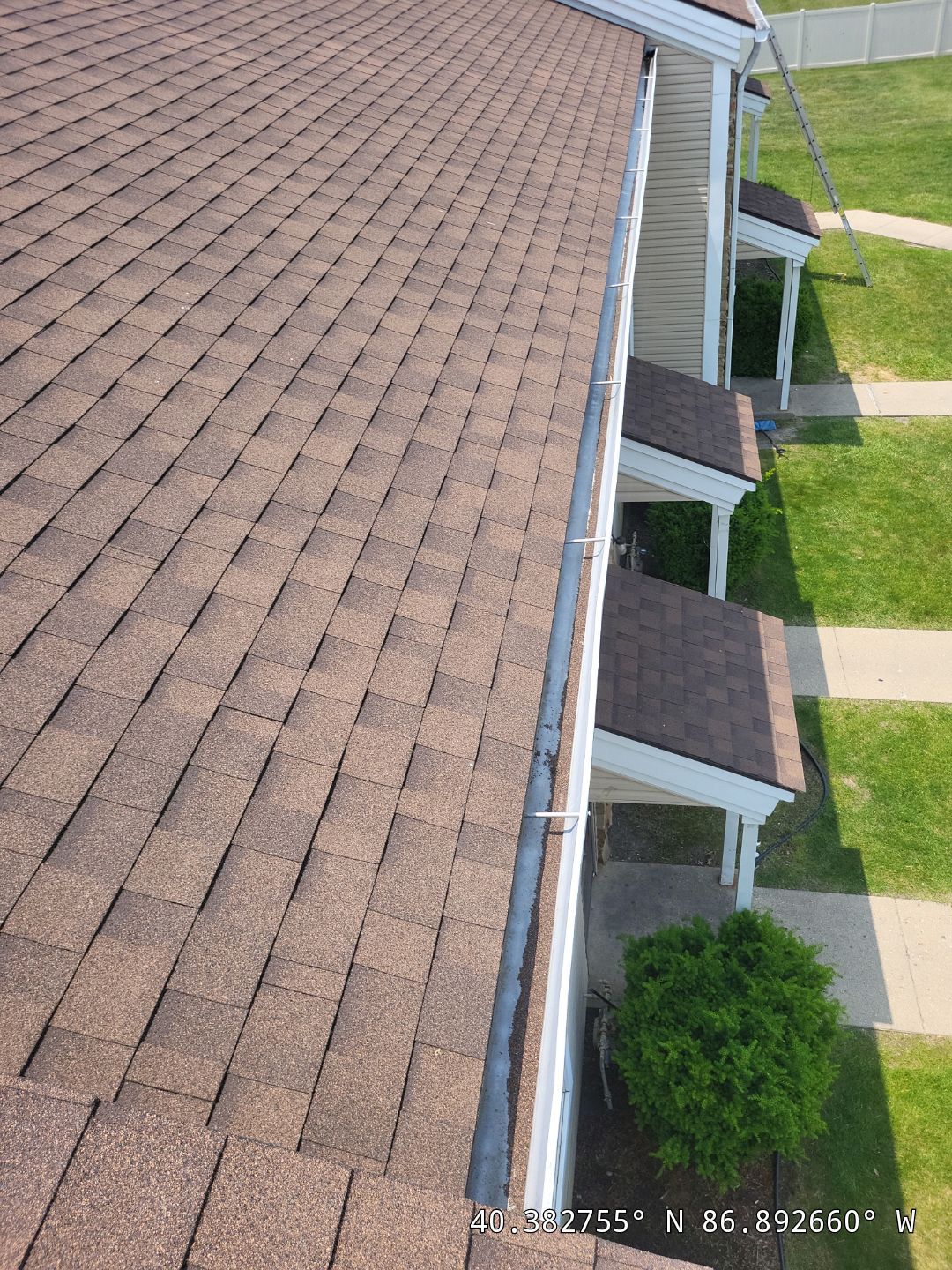
No. Aside from providing property access, your team doesn’t need to be present. We handle everything independently and deliver real-time photo documentation as we work.
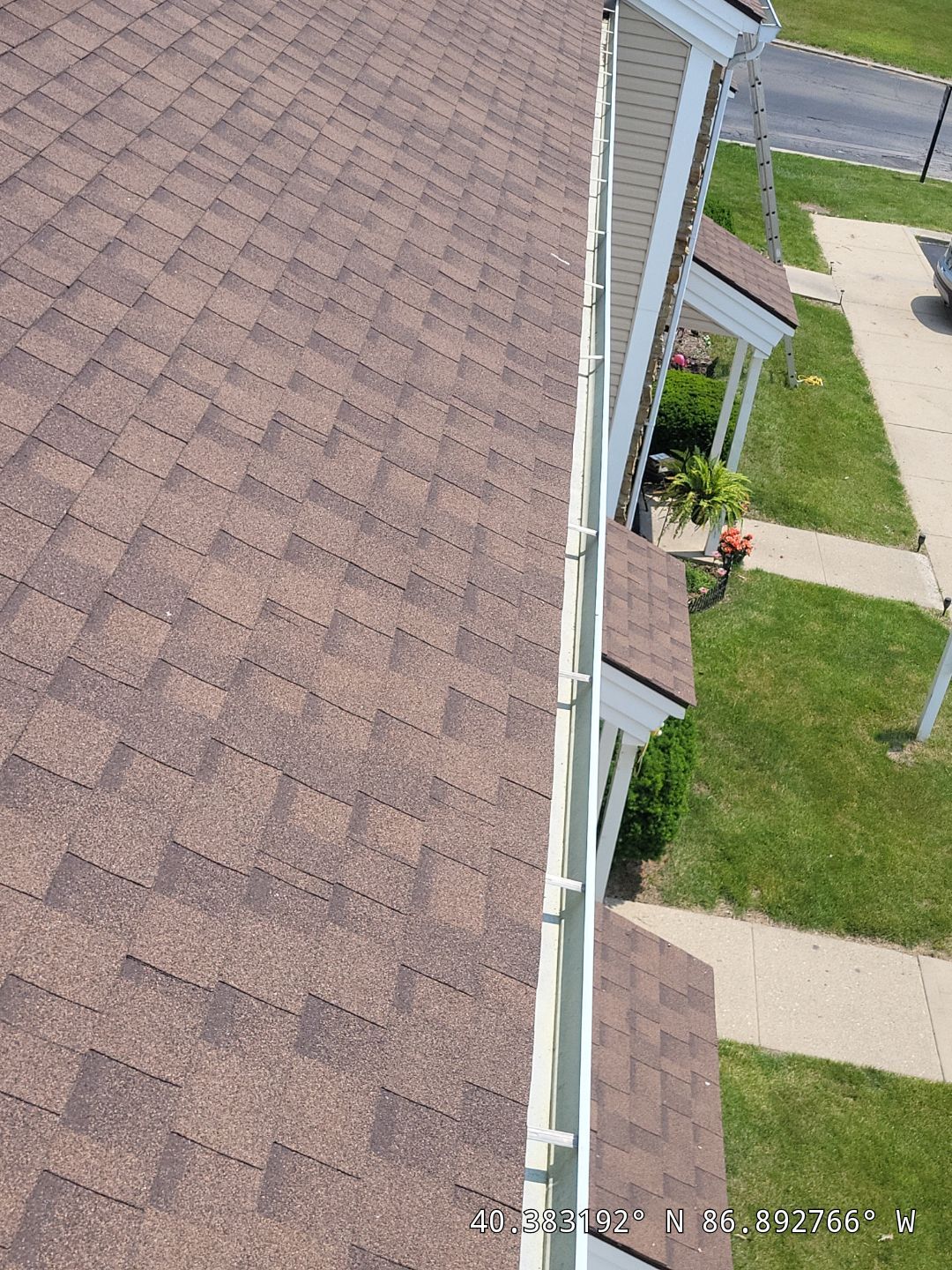
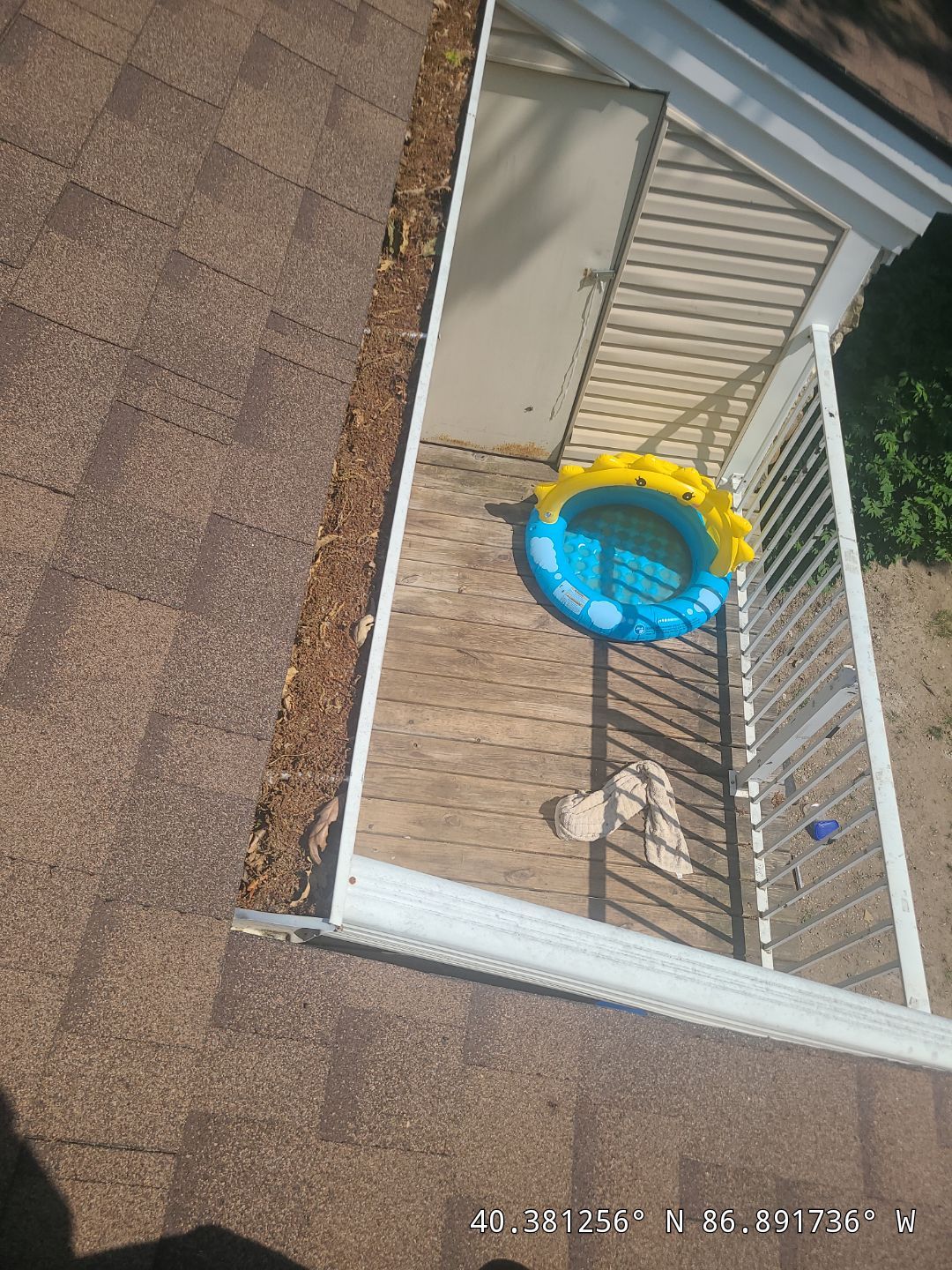
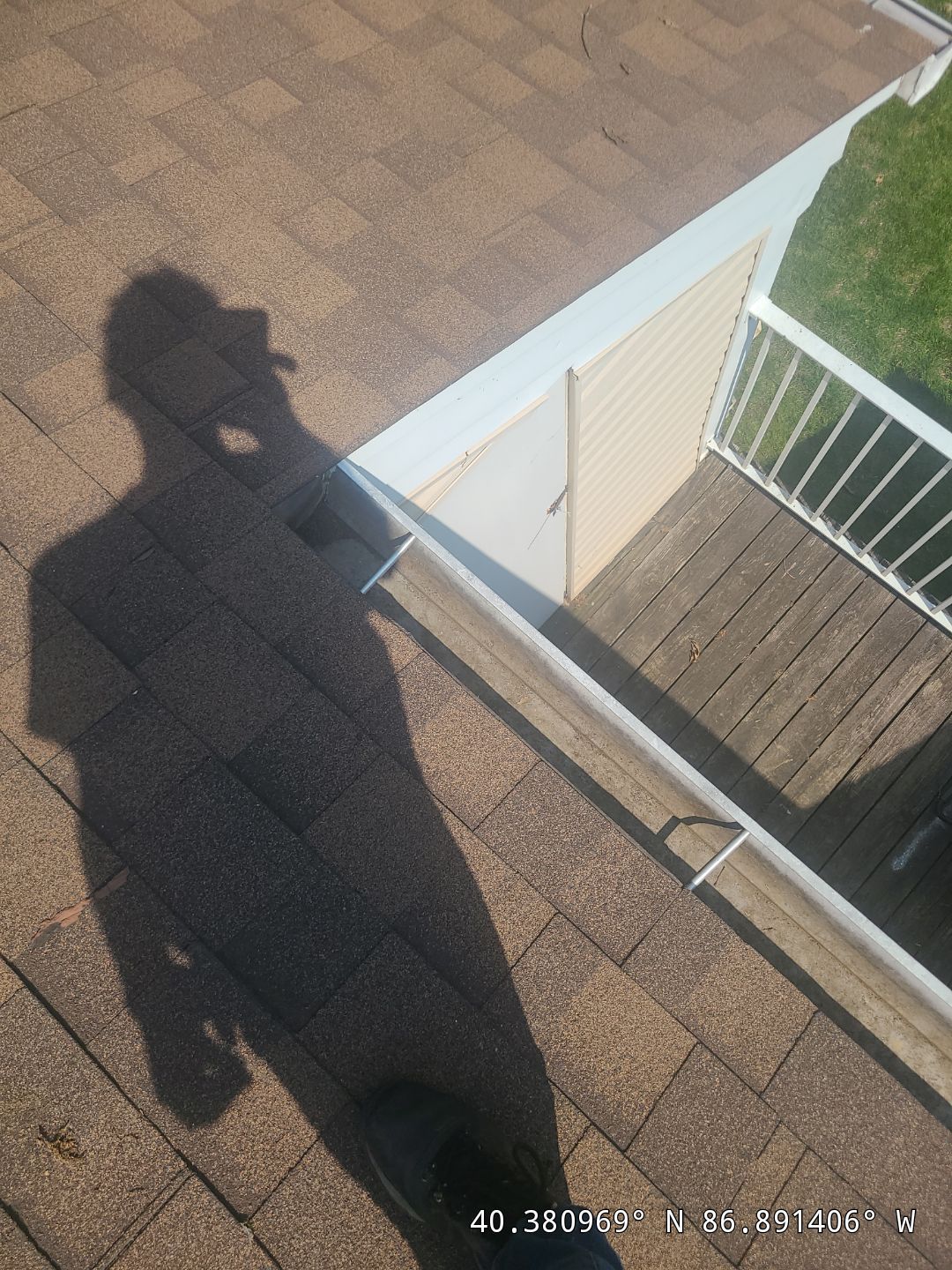
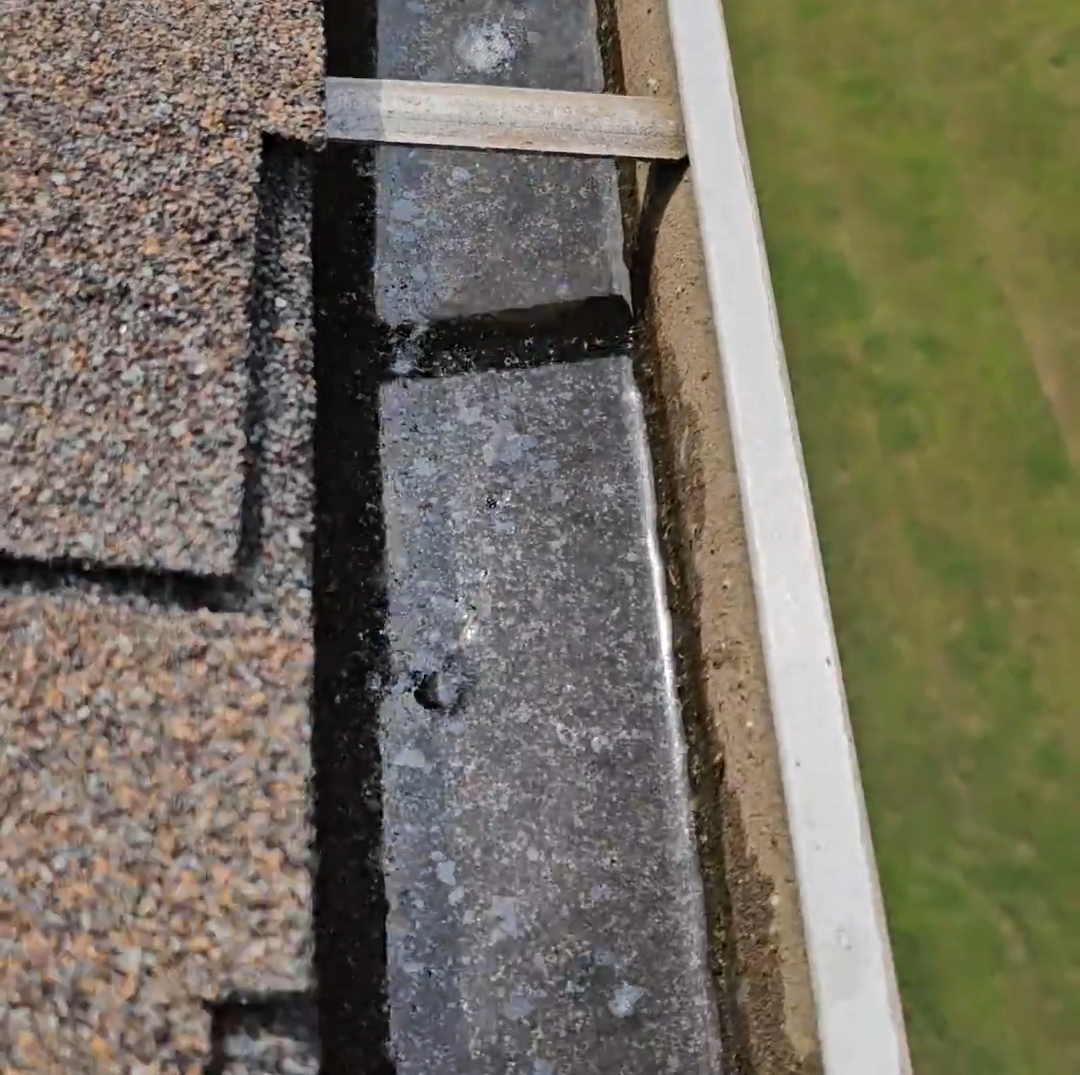
Every job includes geo-tagged, time-stamped before and after photos uploaded in real time, plus a full post-service report formatted for HOA records, board meetings, and insurance documentation.
Yes. We offer flexible recurring service agreements — biannual, quarterly, or custom frequency based on your community’s needs.
Most HOA communities are completed in a single day. Larger properties with many buildings may require additional time, which we account for in scheduling upfront.