
Professional gutter cleaning twice per year prevents costly water damage. Ken’s Gutters recommends scheduling based on local foliage cycles, not tradition. Central Florida properties, for example, clean after late-winter oak shedding and before summer storms. Over 1.2 million linear feet cleaned annually supports this schedule for clients nationwide.
Key Takeaways
Twice-yearly professional gutter cleaning prevents costly water damage from clogged downspouts.
A single clogged downspout redirects hundreds of gallons of water against the foundation during heavy storms.
Central Florida properties under heavy pine or dense canopy require a third midsummer cleaning visit.
Spring and fall cleanings remain the baseline schedule for most single-family homes with light foliage.
Why Gutter Cleaning Frequency Matters
Gutter cleaning frequency determines whether a property stays protected or suffers expensive structural damage. A single clogged downspout redirects hundreds of gallons of water against the foundation during a heavy storm. That water finds the path of least resistance. It seeps into basements, saturates wall cavities, and destabilizes the soil beneath concrete slabs.
The consequences compound quickly. Overflowing gutters spill water directly onto fascia boards and soffits. Wood rot sets in. Paint peels. The roof edge deteriorates. Mold colonies establish themselves in damp attic insulation within 48 hours of a leak. Homeowners and property managers who delay how often to clean gutters face repair bills that dwarf the cost of routine maintenance.
What damage do clogged gutters actually cause?
Clogged gutters trigger a cascade of failures. Water backs up under shingles and rots the roof deck. It pours over the gutter edge and erodes landscaping. Foundation cracks widen as soil expands and contracts with each saturation cycle. Mold growth spreads through wall cavities and HVAC ductwork. One neglected downspout creates widespread water damage that requires thousands of dollars in remediation.
How does gutter cleaning frequency protect the foundation?
Consistent gutter cleaning frequency keeps water moving away from the building. Clear downspouts discharge rainwater at least four feet from the foundation perimeter. That separation prevents hydrostatic pressure from building against basement walls. It stops the freeze-thaw cycle from widening hairline cracks into structural fractures. Properties with regular cleaning schedules avoid the settlement issues that plague neglected drainage systems.
Recommended Gutter Cleaning Frequency by Property Type & Season
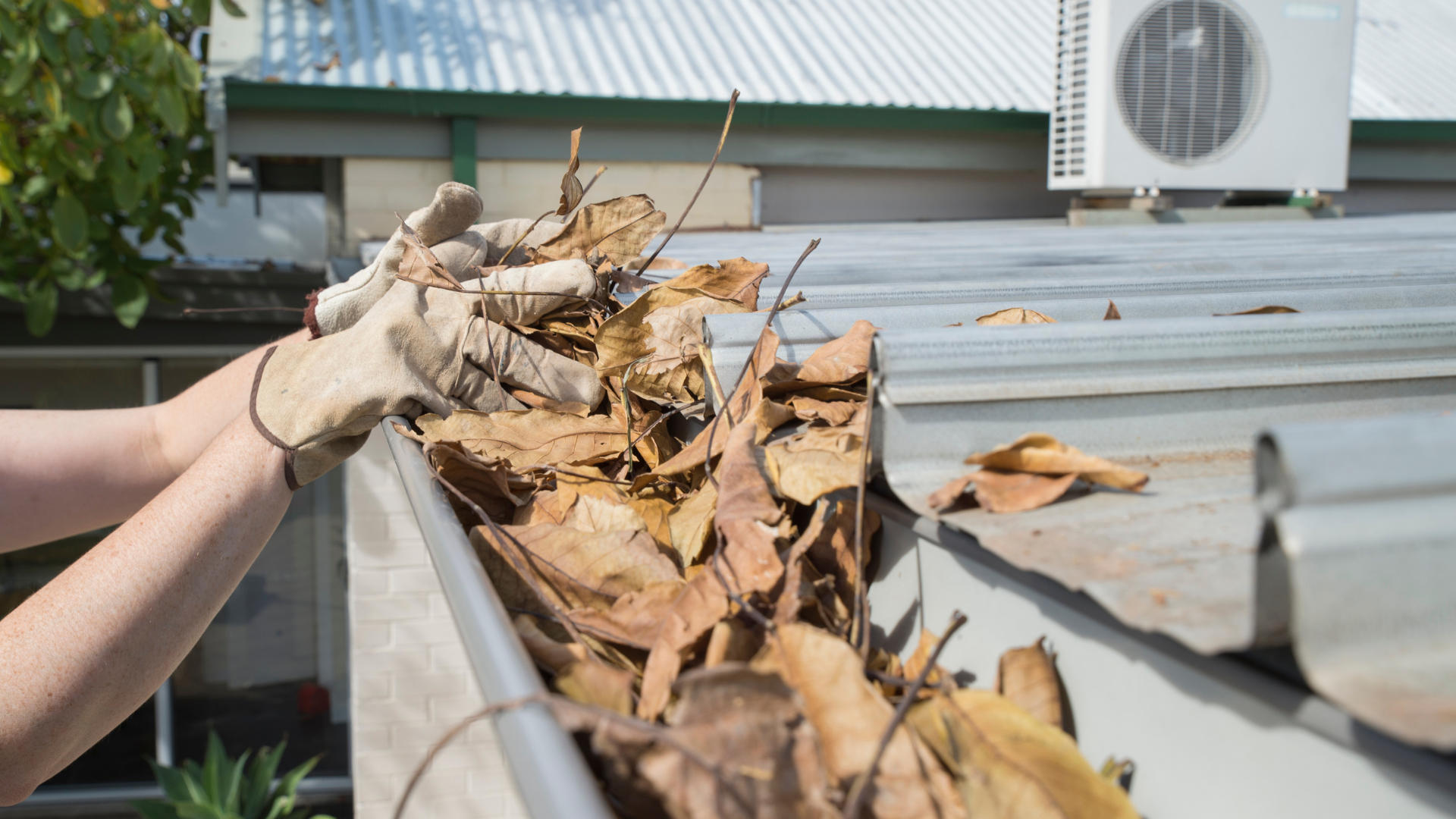
Experts recommend cleaning gutters at least twice a year, typically in spring and fall. For most homes, cleaning once or twice annually keeps water flowing properly. Skipping these cleanings invites clogs, roof leaks, and foundation damage.
Gutter cleaning frequency shifts with tree cover and regional weather. A standard single-family home with light foliage needs two visits. Properties under heavy pine or dense canopy need more.
What schedule works for most homes?
Spring and fall remain the baseline. Bob Vila reports that once or twice a year is enough for most homes. Spring clears winter debris. Fall removes leaves before freezing weather.
When do high-debris properties need extra service?
Central Florida properties under heavy pine or dense canopy usually need a third visit in midsummer. Pine sheds needles year round. Dense canopy in areas like Winter Park, Windermere, and Longwood traps debris faster.
Sacramento property managers cannot afford blocked gutters when the wet season opens in November. Atmospheric river events arrive suddenly after months of dry-season debris accumulation. A late-fall cleaning prevents overflow damage to Victorian, Craftsman, and mid-century multifamily buildings.
Key Factors That Impact How Often You Need Gutter Cleaning
Gutter cleaning frequency shifts dramatically based on a property’s immediate environment. A standard twice-a-year schedule fails when trees hang directly over the roofline. Overhanging branches deposit leaves, twigs, and pine needles continuously. Properties with frequent storms face even greater risk. Heavy rain overwhelms partially blocked channels fast. The resulting overflow triggers roof leaks and structural water damage.
How does tree cover change the cleaning schedule?
The species of tree matters as much as the proximity. Central Florida’s live oaks and laurel oaks shed in late winter through the end of March. This creates a heavy debris load before spring storms arrive. Properties under dense canopy often require a third midsummer visit. Pine trees compound the problem by shedding needles year round.
Why does local rainfall intensity matter?
Water volume tests the system’s limits. Orlando receives roughly 30 of its 51 inches of annual rain between June and September. A gutter holding winter debris cannot manage that concentrated flow. The right schedule depends on how quickly debris collects around a specific home. Ken’s Gutters assesses these variables to build a custom maintenance plan. The company’s technicians document every visit with real-time photo reporting. Property managers gain full visibility without being on site.
Signs Your Gutters Are Overdue for a Cleaning
Gutters sit above eye level, so problems often stay hidden until water spills over the sides. A downspout that stops draining or water pooling around the foundation signals a system that is already failing. These visible failures mean the clog has been building for weeks or months. The damage starts long before anyone notices.
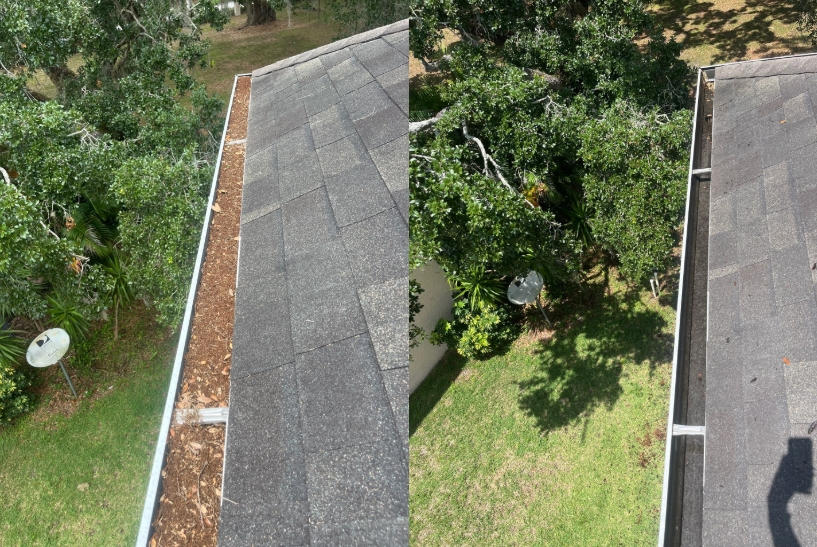
What happens when water overflows from clogged gutters?
Overflowing gutters push water into places it does not belong. Walls, ceilings, and basements absorb that moisture. The resulting water damage weakens structural materials and invites expensive repairs. A single heavy rain can turn a minor blockage into a widespread interior leak.
Can standing water in gutters affect indoor air quality?
Standing water trapped by debris creates the right conditions for mold. Mold colonies spread from the gutter into fascia boards and attic spaces. This growth harms the home’s structure and degrades indoor air quality. Occupants may notice musty odors or respiratory irritation before any visible stain appears.
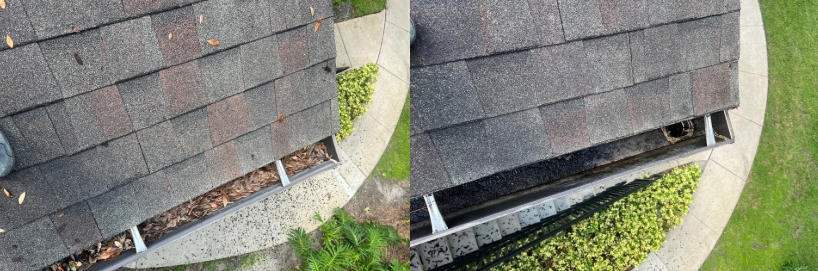
Property managers and homeowners who wait for these signs already carry the cost of deferred maintenance. Water-stained siding, peeling paint near the roofline, and sagging gutter sections all point to the same root cause. The system is overdue. Ken’s Gutters documents every service with real-time photo reporting, so clients see exactly what was removed and verify that drainage is fully restored. A written 90-day satisfaction guarantee backs every cleaning.
Frequently Asked Questions About Gutter Maintenance
How often should gutters be cleaned?
For most properties, the standard gutter cleaning frequency is twice per year. Bob Vila notes that spring and fall are usually the best times to tackle the job. This schedule clears out winter debris before spring rains and removes fallen leaves before freezing temperatures arrive. Properties with heavy overhanging branches or frequent storms often require additional visits to keep water flowing properly.
What happens if gutters are not cleaned regularly?
Clogged gutters trigger a chain of expensive damage. Excess debris causes roof shingles to deteriorate, leading to costly repairs. Water spills over the sides and pools around the foundation. The damage spreads quickly from there. Mold growth, basement flooding, and structural rot follow neglected drainage systems. These repairs cost far more than routine cleanings ever would.
How often to clean gutters in warmer climates?
Warm regions with semi-evergreen trees follow a different calendar. How often to clean gutters shifts when trees shed in late winter instead of autumn. The first cleaning should happen after the spring drop finishes. A second visit works best after storm season winds down. Properties under dense canopy or year-round needle-shedding pines often need a third midsummer service to prevent blockages. Ken’s Gutters backs every service with a 90-day satisfaction guarantee. Real-time photo reporting documents the work, giving property owners complete peace of mind long after the crew leaves.
Get a Fast, Hassle-Free Gutter Cleaning Quote with Ken’s Gutters
Ken’s Gutters delivers a straightforward quoting process for property owners and managers. The company provides top-rated residential gutter cleaning in Sarasota and throughout the greater Sarasota County area. With over 13 years of experience, its fully insured professionals handle everything from debris removal and gutter flushing to downspout clearing and full drainage system inspections.
The service footprint extends well beyond Florida’s Gulf Coast. Ken’s Gutters services the entire city of Sacramento and surrounding areas, bringing the same documented approach to West Coast properties. The company is proud to service Gainesville, FL with expert gutter cleaning for residential and commercial properties alike.
What does a Ken’s Gutters quote include?
Every estimate reflects the property’s specific layout and drainage needs. Technicians assess external factors without requiring anyone to be on-site during the evaluation. The resulting quote covers the full scope of work, from clearing debris to flushing downspouts and verifying proper water flow.
How quickly can property managers get pricing?
Turnaround is fast. The company’s coast-to-coast presence means local crews coordinate quickly, even for large portfolios. Property managers receive clear, documented pricing without drawn-out back-and-forth. Payment terms are simple: pay when the work is complete.
Conclusion
The right gutter cleaning schedule comes down to the property’s specific environment, not a one-size-fits-all rule. Property owners who match their cleaning frequency to local tree cover and rainfall protect their structures before water damage starts. A documented service visit confirms the system is clear and flowing. That verification turns routine maintenance into a straightforward decision: schedule the next cleaning before the next storm arrives.